
Applied AI Blueprint: Wastewater Utilities
How Proven Multimodal AI Capabilities Address Treatment Plant Challenges Beyond Basic Process Monitoring
Published by Sensfix Inc. — San Francisco | St. Petersburg, FL | Lodz, Poland | Seoul, South Korea
The Wastewater Treatment AI Opportunity
Wastewater treatment plants are among the most sensor-rich, process-intensive industrial facilities in operation — yet many still rely on manual rounds, paper-based logging, and reactive maintenance for critical systems. A single undetected reactor upset or pump failure can cascade into regulatory violations, environmental contamination, and millions in remediation costs.
Sensfix has proven its SAAI platform at a European industrial wastewater treatment plant — monitoring reactor health, motor bearing vibration, chemical tank levels, and digitizing paper-based O&M logs through a 17-week proof of concept. This Blueprint extends those proven capabilities to the treatment process domains that surround basic equipment monitoring.
Sludge Level Detection & Management
The Reality
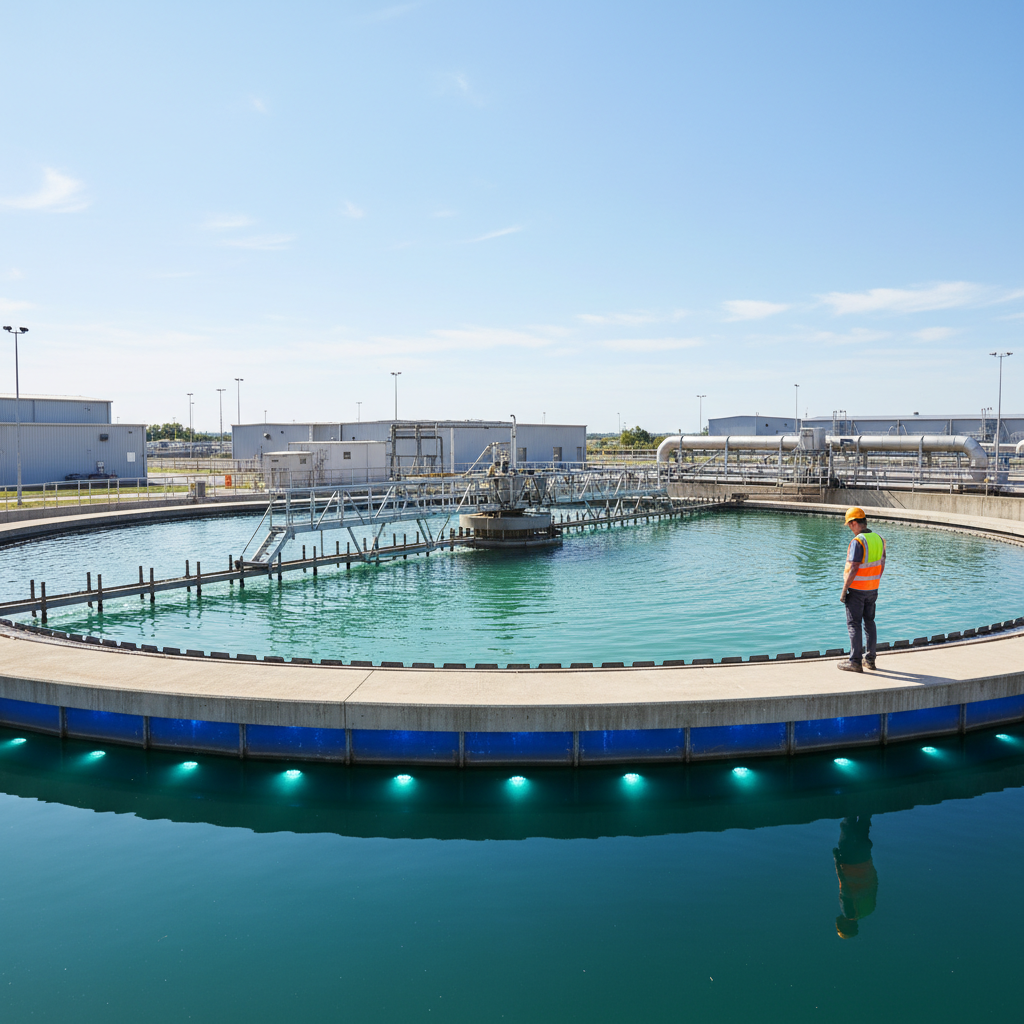
Sludge blanket level in settling tanks and clarifiers is a critical process parameter that determines treatment efficiency. Too high — solids carry over into effluent, violating discharge permits. Too low — the biological treatment process underperforms. Most plants measure sludge levels manually using a core sampler or sight glass — a time-consuming process that captures a single point-in-time reading from one location in the tank.
The Proven AI Capability
Computer vision that reads analog gauges, digital displays, and process indicators is production-proven at industrial facilities across three continents. ServiceOCRPro reads level indicators automatically during operator rounds — but the real power comes from fixed camera monitoring of clarifier surfaces. The AI detects sludge blanket encroachment by analyzing surface color, turbidity patterns, and foam characteristics. When the blanket rises above the target level, the Multimodal Rule Engine triggers an immediate alert with a timestamped visual record.
Applicable Modules
Leak Detection Across the Treatment Train
The Reality
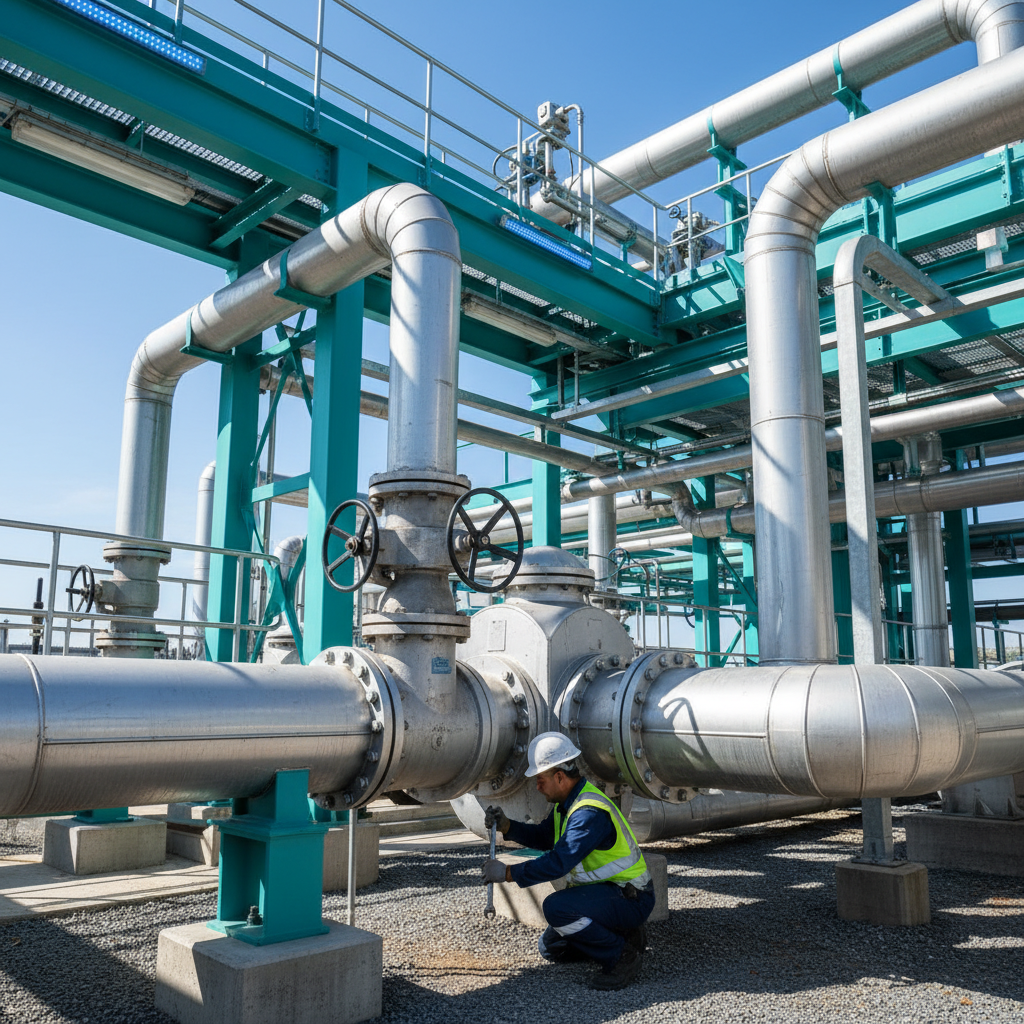
Wastewater treatment plants handle corrosive and biologically active fluids through extensive pipe networks, valve assemblies, and tank connections. Leaks range from catastrophic (pipe bursts that shut down treatment trains) to insidious (slow seeps that contaminate soil, create slip hazards, and waste chemicals). Manual leak detection relies on operator observation during rounds — but many leaks occur in hard-to-see locations: underground pipe galleries, behind equipment, inside enclosed pump rooms.
The Proven AI Capability
At a major train manufacturer, computer vision detects fluid traces on undercarriage components — distinguishing fresh leaks, residual moisture, and normal condensation on complex metal surfaces. The same visual leak detection capability applied to WWTP pipe networks, valve stems, and tank connections identifies wet spots, drip patterns, and staining that indicate developing leaks before they escalate. For underground and enclosed areas where cameras can't reach, vibration sensors on pipe segments detect the acoustic signature of fluid escaping through cracks or loose joints — a technique proven on rotating machinery at a 5G-connected manufacturing facility.
Applicable Modules
Compliance Reporting Automation
The Reality
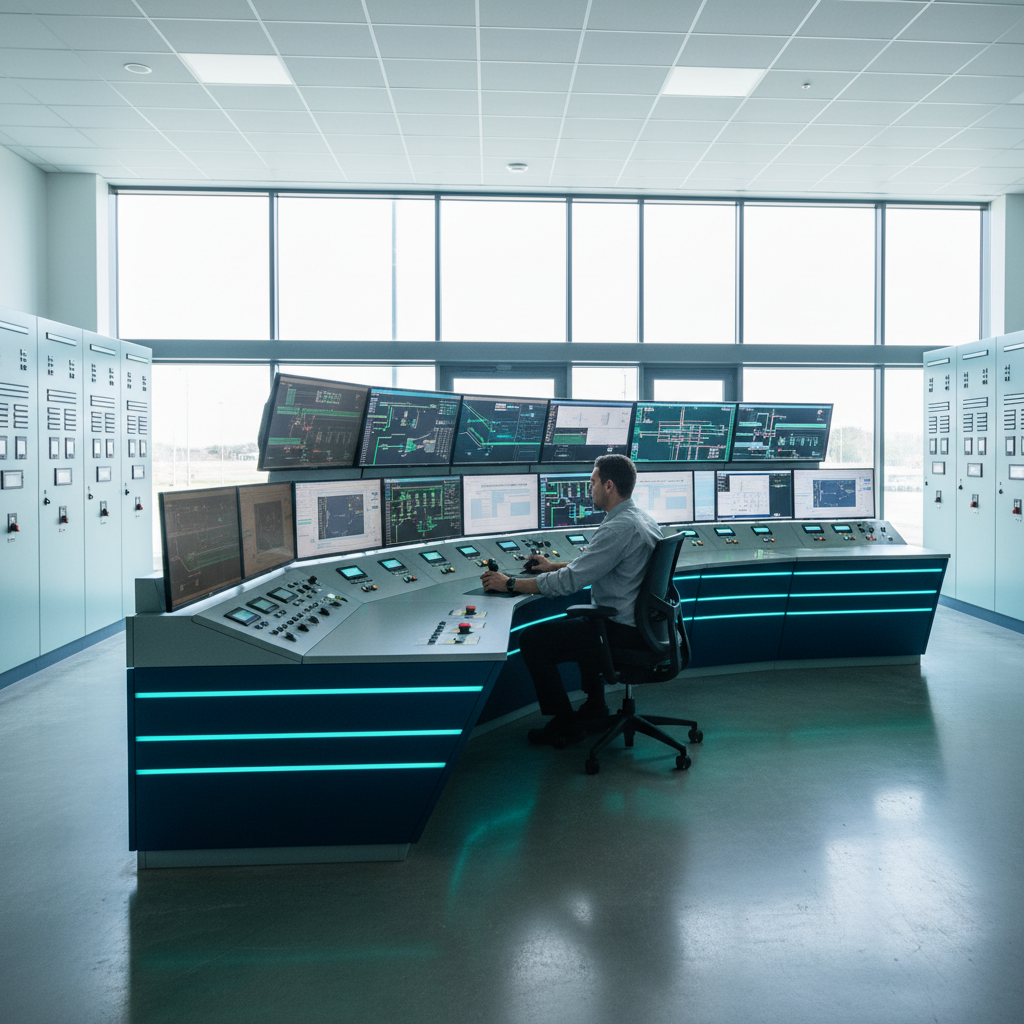
Wastewater utilities operate under stringent regulatory frameworks — NPDES permits, state discharge limits, EPA reporting requirements, and increasingly, real-time monitoring mandates. Compliance reporting typically involves manually extracting data from SCADA systems, lab results, and operator logs, then compiling it into regulatory formats. This manual compilation is error-prone, time-consuming, and creates audit risk when data sources don't reconcile.
The Proven AI Capability
At a European multi-store retail chain, Sensfix delivers automated daily and weekly compliance reports to central management — cross-benchmarking performance across multiple locations on standardized metrics with zero manual compilation. The same automated reporting engine, fed by SCADA integration, IoT sensor data, and digitized operator logs via FormifyPro, generates regulatory-format compliance reports automatically. The Multimodal Rule Engine monitors discharge parameters continuously and flags exceedances before they become violations.
Applicable Modules
Chemical Dosing Optimization
The Reality
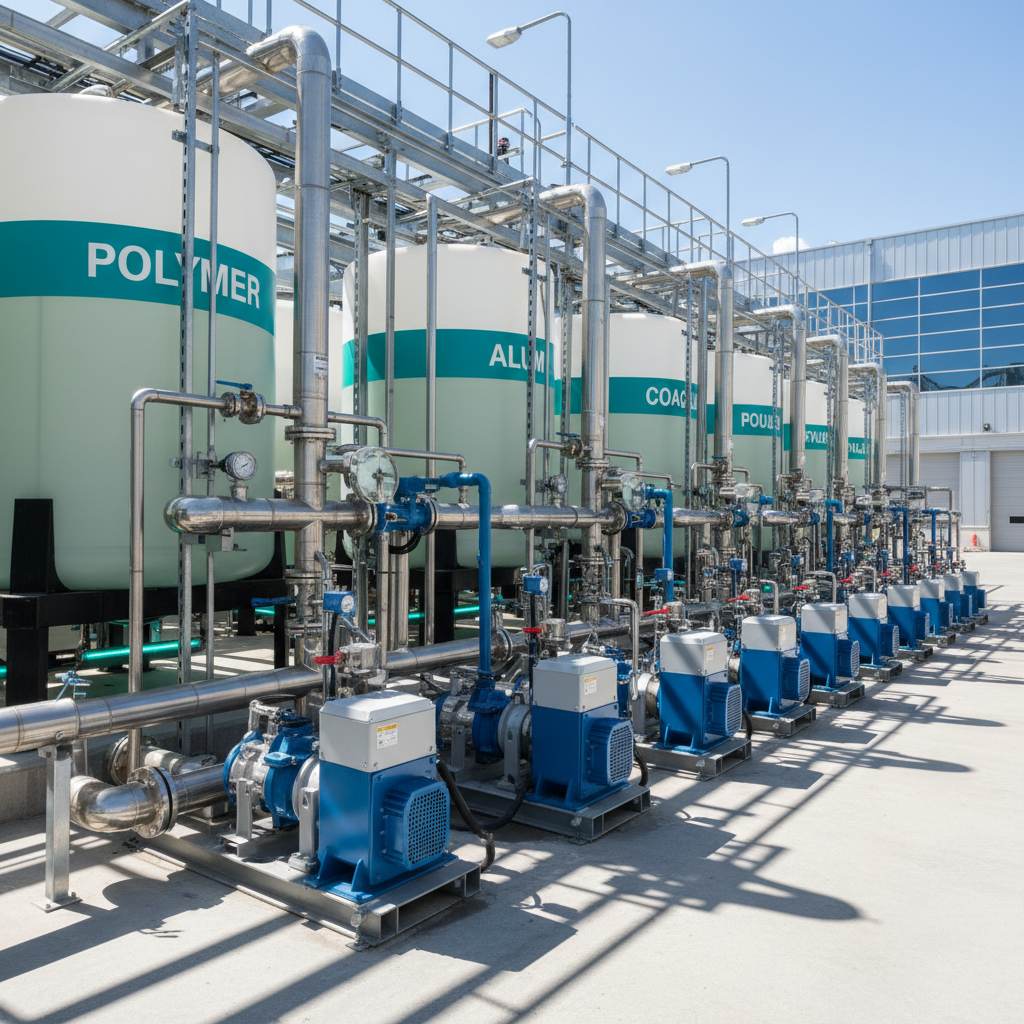
Chemical dosing in wastewater treatment — coagulants, flocculants, pH adjusters, disinfectants — is both a significant operating cost and a process-critical function. Overdosing wastes chemicals and can create downstream treatment issues. Underdosing compromises treatment quality and risks permit violations. Most plants dose based on fixed schedules or periodic lab results with 24-48 hour turnaround — not real-time process conditions.
The Proven AI Capability
At the European industrial WWTP, Sensfix monitors chemical tank levels via computer vision — eliminating manual measurement rounds. The Rule Engine triggers automated alerts when levels drop below reorder thresholds and when consumption rates deviate from expected patterns (indicating dosing equipment malfunction or process upset). Combined with IoT sensor data from inline analyzers (pH, turbidity, dissolved oxygen), the platform enables dosing rate adjustments based on real-time treatment conditions rather than fixed schedules.
Applicable Modules
Aeration System Optimization
The Reality
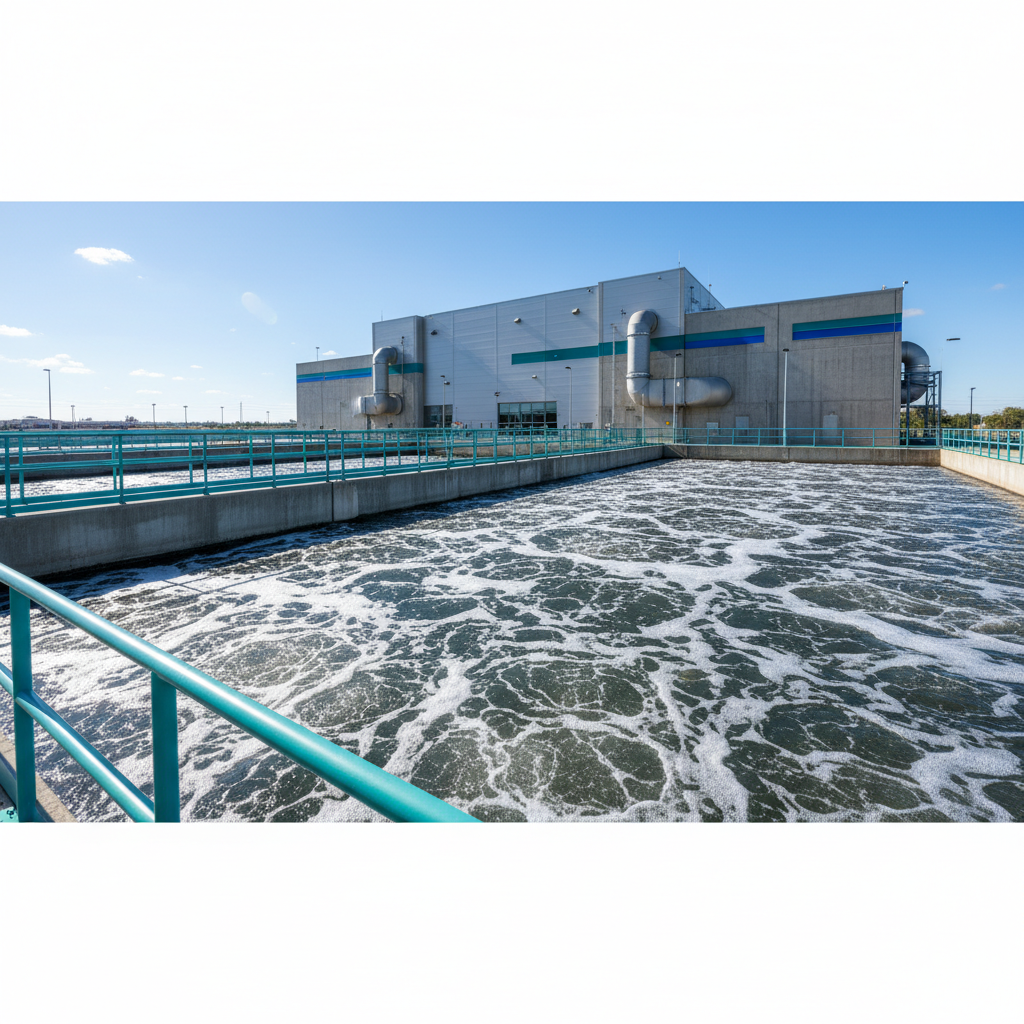
Aeration is typically the single largest energy consumer in a wastewater treatment plant — accounting for 45-75% of total energy costs. Blower and diffuser efficiency degrades over time as diffuser membranes foul, blower bearings wear, and process conditions change. Most plants run aeration at conservative fixed set points to maintain compliance margin, wasting energy during low-load periods.
The Proven AI Capability
At the European WWTP, vibration and temperature monitoring on blower motors detects bearing degradation weeks before failure. Audio AI (proven on train compressors) identifies developing blower inefficiencies by comparing operating sound signatures against healthy baselines — a subtle change in pitch or harmonic pattern indicates diffuser fouling or impeller wear. Combined with dissolved oxygen trend data from IoT sensors, the platform identifies when aeration energy can be safely reduced during low-load periods.
Applicable Modules
Proven At Scale
| Capability | Where Proven | Wastewater Application |
|---|---|---|
| Motor vibration monitoring (5KHz) | European WWTP + 5G factory | Blower, pump, and aerator health |
| Audio AI for rotating machinery | Train manufacturer | Blower efficiency, compressor health |
| Chemical tank level monitoring (CV) | European WWTP | Dosing tank levels, reagent inventory |
| Automated gauge/meter OCR | Industrial + wastewater facilities | Process instrumentation, lab equipment |
| Paper-to-digital O&M conversion | European WWTP | Operator logs, lab sheets, inspection records |
| Multi-site compliance dashboards | European retail chain | Multi-plant regulatory reporting |
| Safety zone enforcement | US Gulf Coast port | Confined space monitoring, chemical handling zones |
| Digital workflows with evidence | Train maintenance depots | Equipment maintenance SOPs, permit-required tasks |
Implementation Approach
Phase 1: Proof of Concept (12-17 Weeks)
Deploy on 2-3 critical systems — typically blower/pump vibration monitoring + one compliance workflow digitization. Matches the proven 17-week PoC model from the European industrial WWTP deployment.
Phase 2: Plant-Wide Deployment
Extend to full treatment train monitoring under a single annual platform fee — unlimited users, sensors, and data nodes across the entire facility.